The Yoga Sutras of Patanjali stand among the most influential texts in the world of yoga. This ancient collection introduces a clear system for understanding the mind and reaching inner freedom. Although written centuries ago, its wisdom still guides millions on their spiritual and personal growth journey.
Roots of the Yoga Sutras
The Yoga Sutras were composed by the sage Patanjali. Scholars believe the text dates back to around 200 BCE. Patanjali organized yogic philosophy into 196 short and powerful statements called “sutras.” These sutras outline practical steps to purify the mind, balance emotions, and discover true inner peace. Because of their simplicity, they remain timeless and accessible.
Note: Through our teachings at Saptkaya Yoga School, students discover how these timeless principles extend far beyond physical postures and lead toward a deeper yogic understanding.
Purpose of Patanjali’s Teachings
Patanjali wrote these teachings to help individuals understand the nature of the mind. He explained that human suffering arises from mental disturbances and a lack of clarity. When the mind becomes steady, a person can experience true freedom.
The Yoga Sutras act as a structured path to achieve this mental stillness. They highlight discipline, awareness, and self-realization as core elements of spiritual evolution.
‘‘Our yoga retreats at Saptkaya Yoga School are designed with this same intention, guiding participants toward mental clarity, emotional balance, and an authentic understanding of yoga.’
4 Chapters of the Yoga Sutras
Patanjali divided the entire text into four distinct chapters. Each section focuses on a unique stage of the yogic journey. Together, they offer a complete guide for personal transformation.
1. Samadhi Pada (The State of Bliss)
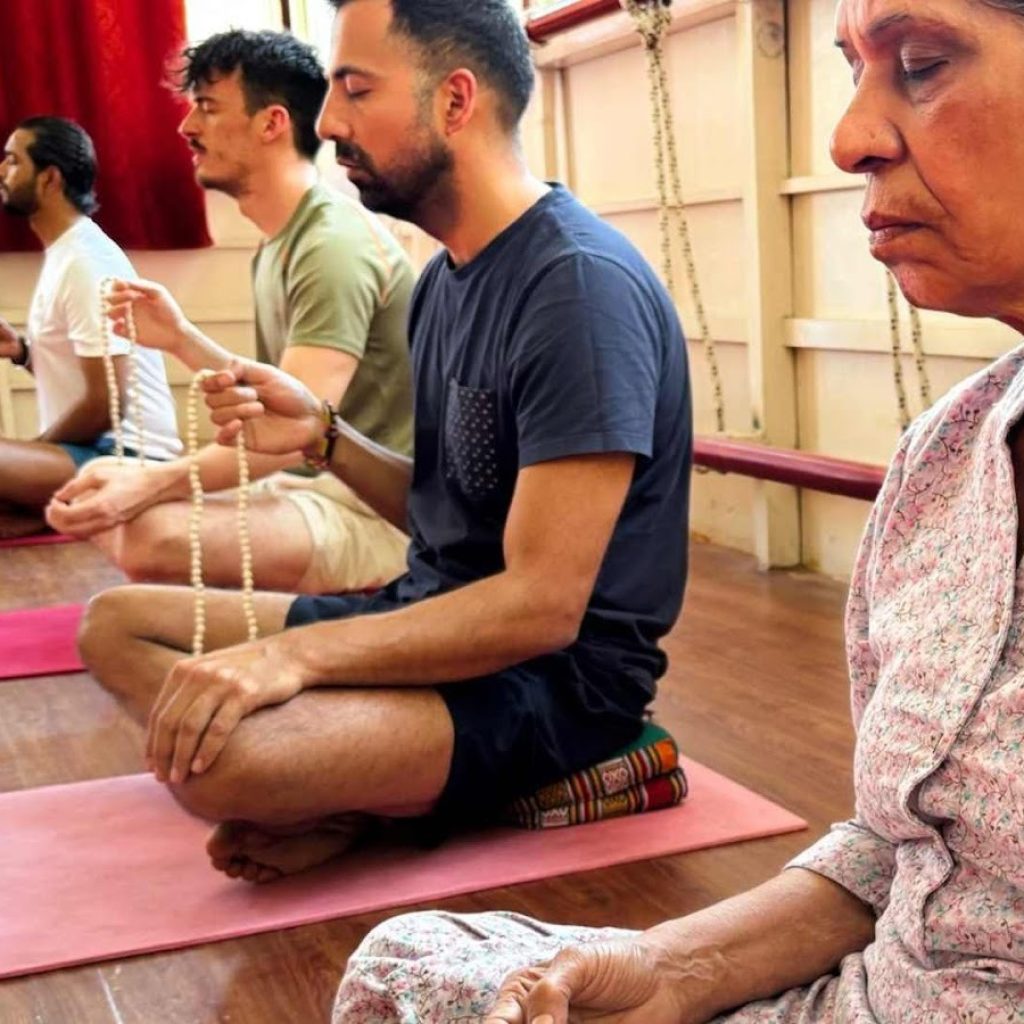
This chapter explains the ultimate goal of yoga. Samadhi refers to deep absorption, where the mind becomes completely still. Patanjali describes how concentration and meditation lead to this profound state of unity. He also discusses obstacles that can block progress. With consistent practice, one can overcome these challenges.
2. Sadhana Pada (The Path of Practice)
Sadhana Pada provides practical steps for daily life. It introduces the Eight Limbs of Yoga, also known as Ashtanga Yoga. These limbs include ethical guidelines, breath control, posture, and meditation. They form a systematic approach to purifying the body and mind. Patanjali emphasizes discipline because true transformation requires consistent effort.
3. Vibhuti Pada (The Chapter on Powers)
The third chapter discusses extraordinary abilities that may arise through deep meditation. Patanjali mentions heightened intuition, clarity, and inner strength. Although these experiences appear impressive, he warns practitioners not to get distracted. The aim of yoga is liberation, not supernatural achievements.
4. Kaivalya Pada (The State of Liberation)
The final chapter reveals the nature of ultimate freedom. Patanjali explains that liberation occurs when the mind is no longer influenced by external conditions. One becomes free from fear, desire, and confusion. This chapter teaches that true independence comes from inner clarity. It also highlights the importance of wisdom and self-awareness.

What are the Eight Limbs of Yoga?
Patanjali’s Eight Limbs remain his most well-known contribution to yoga. These limbs provide a step-by-step guide to balanced living. When practiced together, they create harmony in every part of life.
| Limb of Yoga | Description |
| 1. Yama | These are moral restraints that encourage kindness, honesty, non-stealing, moderation, and non-greed. |
| 2. Niyama | These are personal observances that promote purity, discipline, self-study, contentment, and devotion. |
| 3. Asana | Asanas refer to physical postures. These poses strengthen the body and prepare it for meditation. |
| 4. Pranayama | This limb focuses on breath control. Deep and mindful breathing calms the mind and boosts inner stability. |
| 5. Pratyahara | Pratyahara means withdrawal of the senses. It teaches practitioners to turn inward instead of seeking external stimulation. |
| 6. Dharana | This stage involves focused concentration. It trains the mind to stay steady on a single point. |
| 7. Dhyana | Dhyana refers to continuous meditation. It helps individuals experience deep inner silence. |
| 8. Samadhi | Samadhi is the highest state. It represents complete union between the individual and the universe. |
Tip: For a practical experience of the Eight Limbs, you may explore a Himalayan Yoga Retreat in rishikesh at Saptkaya Yoga School. Our guided schedule includes yoga, meditation, sound healing, and Ayurvedic nourishment to help these principles come alive in daily life.
Why the Yoga Sutras Still Matter Today
Modern life brings stress, distraction, and emotional challenges. Patanjali’s teachings remain relevant because they address the root of these struggles. The Yoga Sutras guide individuals to slow down, breathe deeply, and reconnect with their true nature.
They encourage self-awareness, mindful living, and emotional balance. Many practitioners use the sutras for personal growth, mental clarity, and spiritual awakening.
Final Thoughts
The Yoga Sutras of Patanjali serve as a timeless manual for inner peace. They offer a structured path that helps individuals understand the mind and move beyond limitations. With consistent practice, these teachings can transform daily life and guide anyone toward clarity and fulfillment. Patanjali’s wisdom continues to inspire students, teachers“If you feel inspired to explore Patanjali’s teachings more deeply, Saptkaya Yoga School offers 4-day and 7-day Yoga Retreats in Rishikesh, where you can dive into meditation, breathwork, and yogic philosophy in a peaceful environment.”