Busy lifestyles and constant stress have made yoga a popular way to improve flexibility, balance, and overall well-being. Among its many forms, Ashtanga and Vinyasa Yoga are known for their dynamic movements that stretch, strengthen, and energize the body.
Both practices not only enhance flexibility, balance, and endurance but also cultivate mindfulness and inner calm through the connection of breath and movement. With regular practice, yoga practitioners often notice their bodies becoming lighter, more open, and more fluid in motion, a reflection of both physical and mental transformation.
What is Ashtanga Yoga?
Ashtanga Yoga is a traditional and disciplined style of yoga developed by Sri K. Pattabhi Jois. It follows a specific sequence of postures, where every movement is linked with deep, steady breathing and a flow known as Vinyasa. This connection of breath and movement generates internal heat, aiding in detoxification, building flexibility, strength, and focus.
Main Ashtanga Yoga Poses:
- Sun Salutations (Surya Namaskar A & B) – warm up the body and increase blood flow.
- Standing Poses – improve balance and strengthen the legs.
- Seated Poses – stretch the hips, hamstrings, and spine.
- Backbends and Finishing Postures – open the chest and release tension from the body.
Through regular and consistent practice, Ashtanga Yoga gradually opens up the muscles and joints, increasing flexibility, mobility, and endurance while calming the mind.
Get to know: Hatha Yoga vs. Ashtanga Yoga: Which One Suits You Best?
What is Vinyasa Yoga?
Vinyasa Yoga is a dynamic and creative style of yoga that connects each movement with the breath, creating a smooth and flowing sequence. Unlike Ashtanga Yoga, which follows a fixed pattern, Vinyasa Yoga allows for flexibility and variety in every class. This continuous flow of movement builds heat, enhances body awareness, and helps improve flexibility, strength, and balance.
Main Vinyasa Yoga Poses:
- Sun Salutations (Surya Namaskar) – warm up the entire body and awaken energy.
- Standing Poses – strengthen the legs, improve balance, and open the hips.
- Hip Openers – release tightness from long hours of sitting and increase mobility.
- Twisting Poses – detoxify internal organs and improve spinal flexibility.
- Backbends and Forward Folds – stretch the spine, shoulders, and hamstrings for greater flexibility.
Note: For those inspired to deepen their practice, our Yoga Retreats at Saptkaya Yoga School offer a transformative experience where you can explore Ashtanga and Vinyasa Yoga in harmony with meditation, Ayurveda, and mindful living amidst the serene Himalayas.

Ways Ashtanga and Vinyasa Yoga Help You Gain Flexibility Naturally
Both yoga uses dynamic movement, breath, and mindfulness to help your body become more flexible and balanced. Here’s how these practices work:
1. Dynamic Flow and Movement
Unlike static stretching, both styles use flowing sequences that warm up the muscles, making it easier and safer to stretch deeper.
- Ashtanga Yoga follows a fixed series that builds internal heat.
- Vinyasa Yoga uses creative transitions to keep the body moving and joints open.
Result: Regular flow practice improves range of motion and overall body freedom.
2. Progressive Stretching
Each yoga pose prepares you for the next.
- Forward folds release tight hamstrings.
- Backbends open the spine and chest.
- Hip openers reduce stiffness from long sitting hours.
This gradual approach helps expand flexibility naturally without injury.
3. Consistent Practice
Regular practice is the secret to long-lasting flexibility.
- In Ashtanga Yoga, repetition of postures trains the muscles and improves endurance.
- In Vinyasa Yoga, varied sequences keep your body adaptable and open.
With time, your body becomes more conditioned, flexible, and free of tension.
4. Breath and Energy Flow
In both styles, the Ujjayi breath, deep, steady, and rhythmic, helps warm up the body from within.
- Deep breathing relaxes your muscles, making stretches easier.
- Smooth breath flow keeps your energy balanced and mind calm.
This harmony of breath and movement allows your flexibility to grow naturally and peacefully.
5. Strength Builds Flexibility
Flexibility and strength go hand in hand; you need both to progress safely.
- Ashtanga and Vinyasa Yoga strengthen the core, legs, and back.
- Strong muscles protect the joints during deep stretches.
When your body is strong and balanced, you can safely move into deeper poses without strain.
6. Mind-Body Awareness
Flexibility isn’t just physical, it’s also mental.
- Both yoga styles teach you to listen to your body’s limits.
- You learn when to push forward and when to rest.
This awareness helps you stretch safely and build flexibility with mindfulness, calmness, and focus both on and off the mat.

Ashtanga vs Vinyasa Yoga: Which Style Fits Your Mind, Body, and Practice Best?
Both Ashtanga and Vinyasa Yoga unite breath with movement, but their pace, structure, and focus set them apart. Understanding the Ashtanga yoga and Vinyasa Yoga differences allows you to choose the practice that aligns with your goals, energy, and lifestyle.
| Aspect | Ashtanga Yoga | Vinyasa Yoga |
| Structure | Follows a fixed sequence of postures practiced in the same order daily. | Features creative, changing sequences designed by the teacher. |
| Focus | Emphasizes discipline, strength, and consistency. | Encourages creativity, flow, and mindfulness. |
| Pace | Usually steady and structured. | It can be slow or fast-paced, depending on the class. |
| Breath Connection | Uses Ujjayi breath to build internal heat and concentration. | Uses breath to link fluid movements and enhance awareness. |
| Physical Benefits | Builds muscle strength, flexibility, and endurance. | Improves mobility, coordination, and balance. |
| Mental Benefits | Develops focus, patience, and mental discipline. | Promotes relaxation, creativity, and presence. |
| Ideal For | Practitioners seeking structure and challenge. | Yogis who enjoy variety and dynamic movement. |
| Energy Flow | Generates intense internal heat (tapas) for detoxification. | Builds balanced energy — calming yet energizing. |
| Spiritual Aspect | Rooted in traditional yogic philosophy and self-discipline. | Focuses on mindfulness and inner awareness. |
| Class Style | Often practiced in Mysore-style self-led sessions. | Usually taught as guided flow classes. |
Check Out More From Our Blog
- How Yoga Retreats Help with Emotional & Spiritual Healing
- Best Sightseeing Places in Rishikesh to Visit During Yoga Retreat
- Leech Therapy in Ayurveda: Ancient Healing for Modern Yogis
Awaken Your Body’s Flexibility with Authentic Yoga in Rishikesh
Saptkaya Yoga School combines the ancient wisdom of Ashtanga and Vinyasa Yoga with a modern approach to body alignment and wellness. Whether you join our Yoga Teacher Training Course or a short yoga retreat, our classes are designed to help you safely improve your flexibility, strength, and balance.
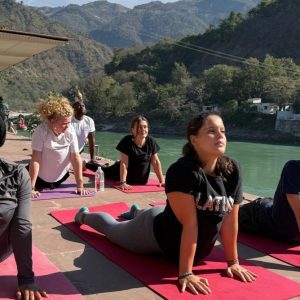
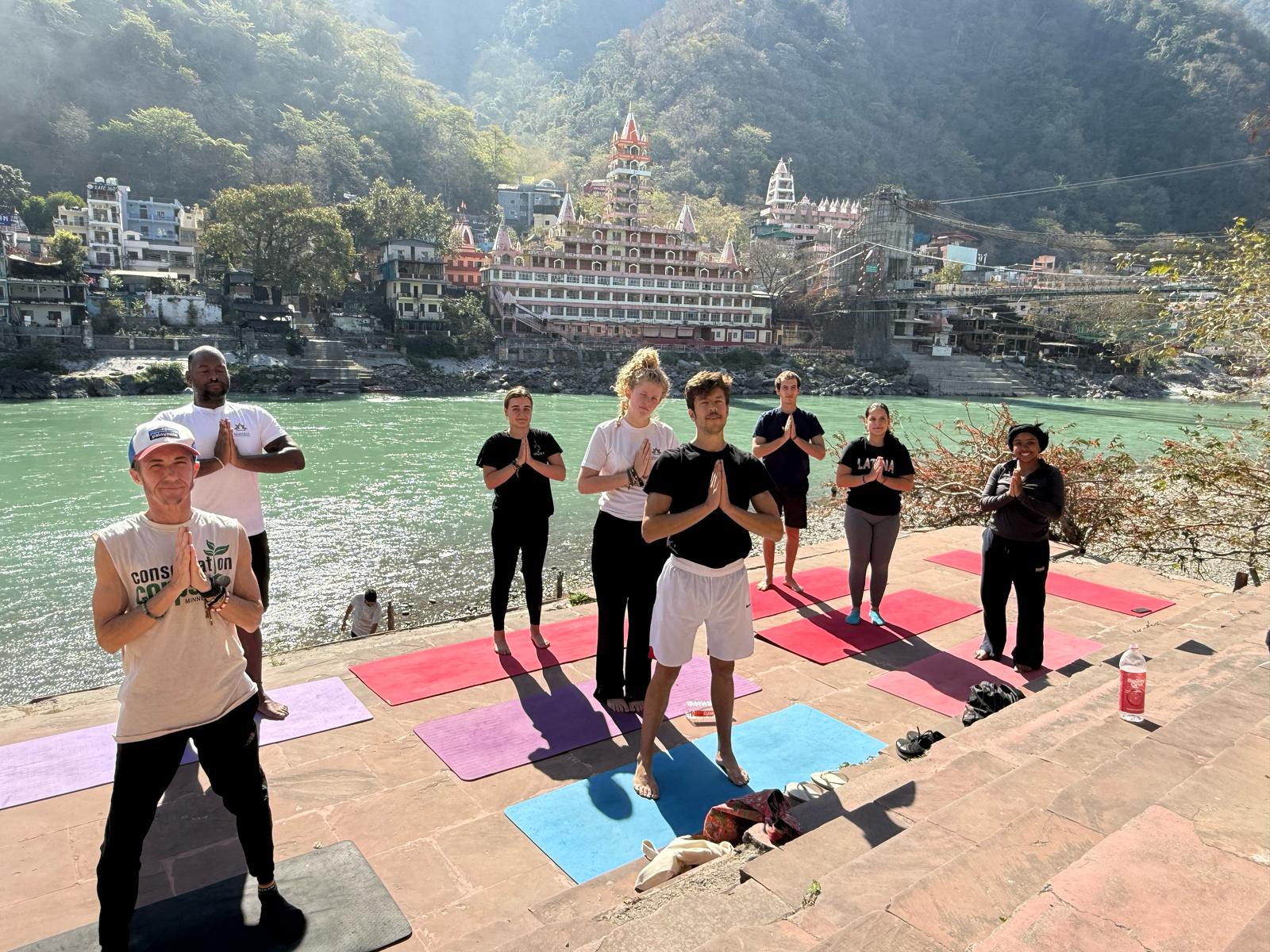
Located in the spiritual heart of Rishikesh, surrounded by the Himalayas and the sacred Ganga River, our peaceful setting supports deep physical and mental transformation.
How Saptkaya Yoga School Helps You Become More Flexible and Balanced
Traditional Meets Modern: We combine ancient Ashtanga and Vinyasa Yoga techniques with modern, anatomy-based teaching for safe stretching and improved flexibility.
- Build Strength & Mobility: Develop flexibility that’s supported by strength, ensuring your joints and muscles move freely and safely.
- Personalized Guidance: Small group sessions and attentive teachers help you practice with correct alignment and mindful breathing.
- Ideal Setting in Rishikesh: Practice in the serene Himalayan atmosphere, away from distractions, and reconnect with your true self.
- Holistic Wellness: Along with yoga, enjoy Ayurvedic therapies, sattvic meals, and meditation to rejuvenate body and mind.

👉Awaken your body and soul with our Himalayan Yoga Retreats, a sanctuary of Ashtanga, Vinyasa, and Ayurveda. Enroll now and experience peace, balance, and renewal at Saptkaya Yoga School.
Final Thoughts
Both Ashtanga and Vinyasa Yoga offer a holistic approach to improving flexibility physically, mentally, and spiritually. Their dynamic flow, breath connection, and mindful awareness make them powerful tools for transformation.
As you continue your yoga journey, remember: flexibility isn’t about touching your toes, it’s about creating space in your body, breath, and mind. With patience and regular practice, you’ll notice your body unfolding with freedom, grace, and ease.