Anxiety can appear without warning, with a racing heart, tight chest, restless thoughts, and a feeling of losing control. One of the most effective and immediate ways to regulate this stress response is through controlled breathing techniques.
Deep breathing exercises directly influence the autonomic nervous system by activating the parasympathetic response, which promotes relaxation. When breathing slows and becomes intentional, heart rate decreases, oxygen levels stabilize, and the body begins to shift out of stress mode.
Let’s explore the best breathing exercises that will help reduce anxiety symptoms, improve emotional regulation, and strengthen long-term stress resilience.
6 Effective Deep Breathing Exercises
The most widely used breathing exercises for managing anxiety include Diaphragmatic Breathing, Box Breathing, 4-7-8 Breathing, Alternate Nostril Breathing, Resonant Breathing, and Pursed-Lip Breathing. Each method follows a specific breathing pattern to regulate respiratory rhythm, stabilize heart rate, and support nervous system balance.
1. Diaphragmatic Breathing
Diaphragmatic breathing, also called belly breathing, focuses on deep breaths that expand the abdomen instead of the chest.
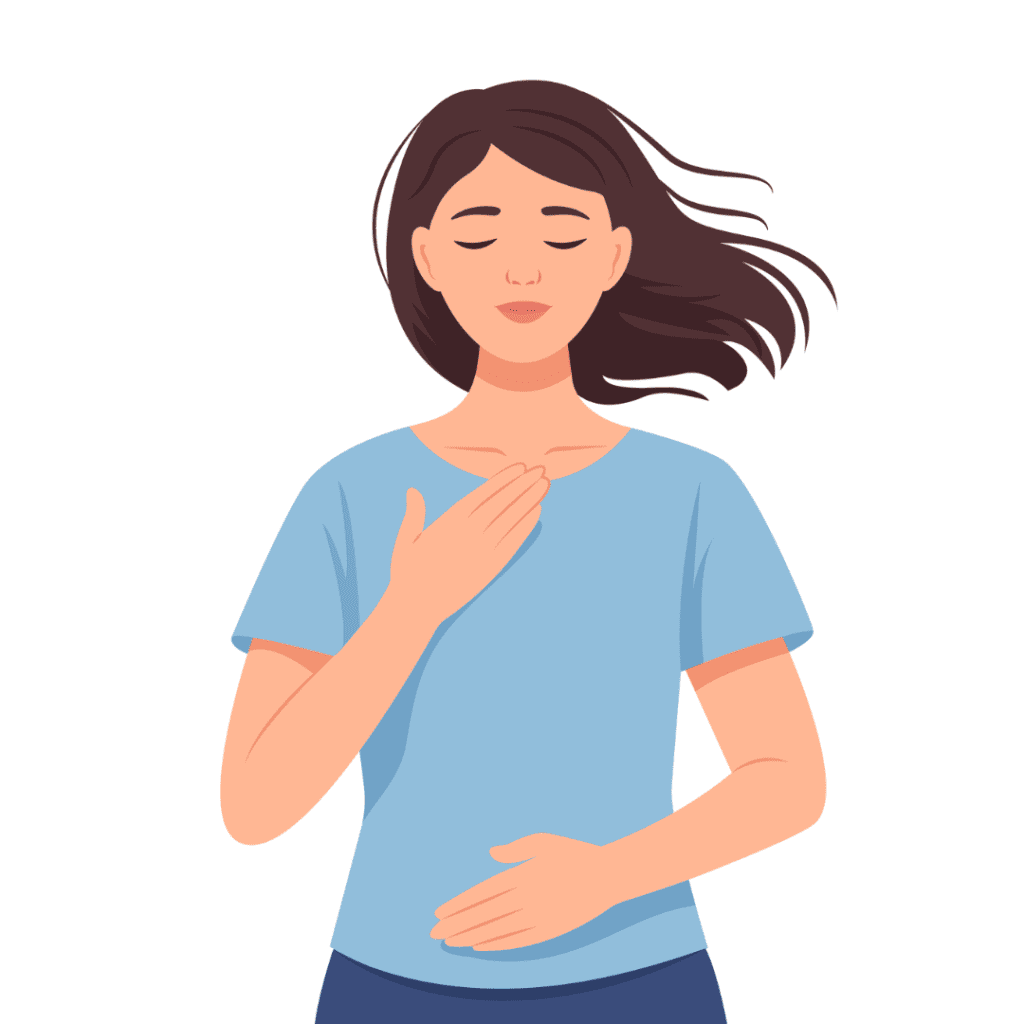
Sit comfortably and place one hand on your chest and the other on your stomach.
Inhale slowly through your nose, allowing your stomach to rise while keeping your chest still.
Exhale gently through your mouth.
This technique improves oxygen flow and reduces muscle tension. By engaging the diaphragm, you activate the body’s relaxation response, helping to slow heart rate and ease anxious thoughts naturally and effectively.
2. Resonant Breathing
Resonant breathing involves inhaling and exhaling at a slow, even pace to stabilize the heart and nervous system. It is especially effective during intense stress or emotional overwhelm.
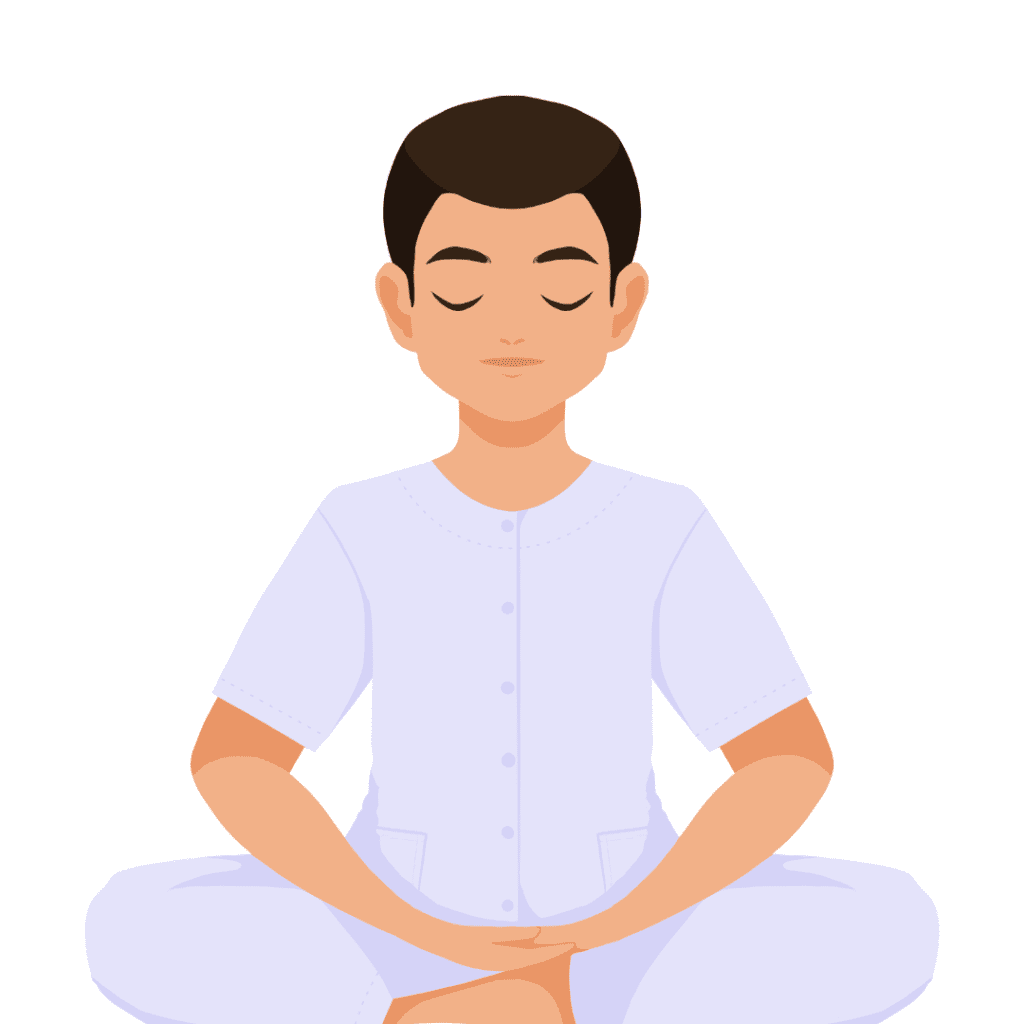
- Inhale slowly through the nose for 5–6 seconds
- Exhale gently for 5–6 seconds
- Avoid holding the breath
- Continue for 5–10 minutes
This smooth breathing pattern improves heart rate variability and strengthens stress resilience. As breath and heartbeat synchronize, the body enters a balanced state. Over time, this practice enhances emotional stability and reduces anxiety triggers significantly.
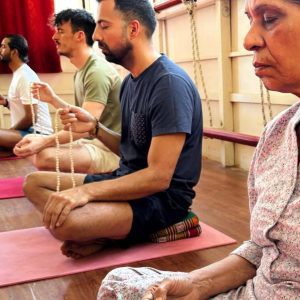
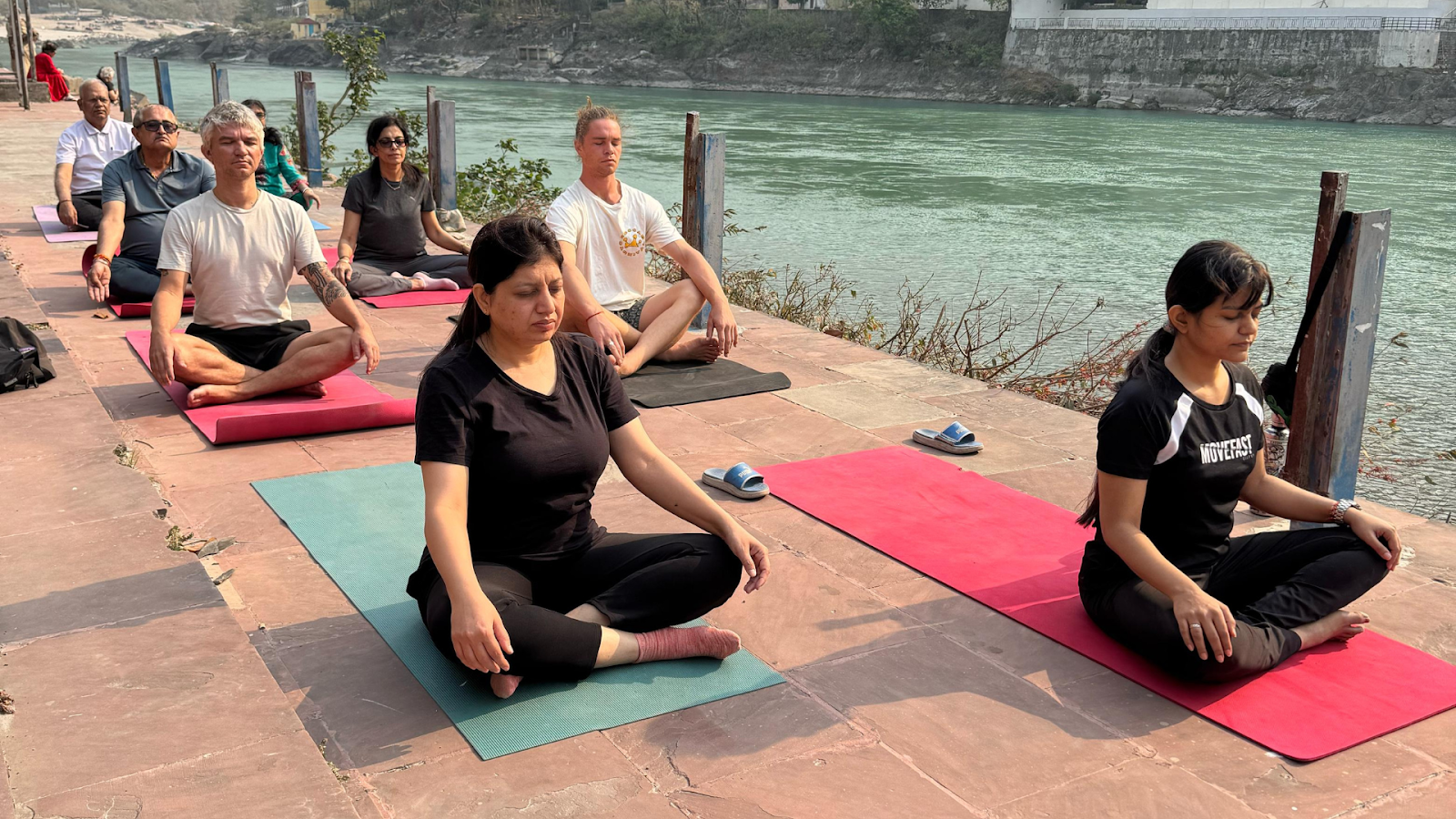
Note: This technique reflects principles found in traditional yogic pranayama practices. At Saptkaya Yoga School, these foundational pranayama techniques are taught as part of our structured yoga retreats in Rishikesh.
Under guided instruction, students learn how to practice breathwork safely and effectively, integrating techniques with a clear understanding of their impact on the nervous system. Through consistent practice in a supportive environment, participants develop greater emotional balance, mental clarity, and long-term stress resilience.
3. Box Breathing
Box breathing follows a steady four-count rhythm that helps regulate breathing patterns and calm mental tension. This structured technique is simple, practical, and highly effective during stressful moments.
- Inhale through the nose for four counts
- Hold your breath for four counts
- Exhale slowly for four counts
- Hold again for four counts
This balanced breathing cycle restores control over your nervous system and slows a racing mind. The steady counting keeps your focus anchored in the present moment. After several rounds, your body relaxes, your thoughts settle, and your emotional state becomes more stable and clear.
4. 4-7-8 Breathing
The 4-7-8 technique promotes deep relaxation and is especially helpful before sleep.
Inhale quietly through your nose for four counts.
Hold your breath for seven counts.
Exhale slowly through your mouth for eight counts, making a gentle whooshing sound.
The extended exhale encourages the release of tension and slows the nervous system. Holding the breath builds awareness and control. Repeating this cycle four times can significantly reduce anxiety levels and create a sense of emotional balance and calmness.
5. Alternate Nostril Breathing
Alternate nostril breathing is a traditional calming technique that balances the body and mind.
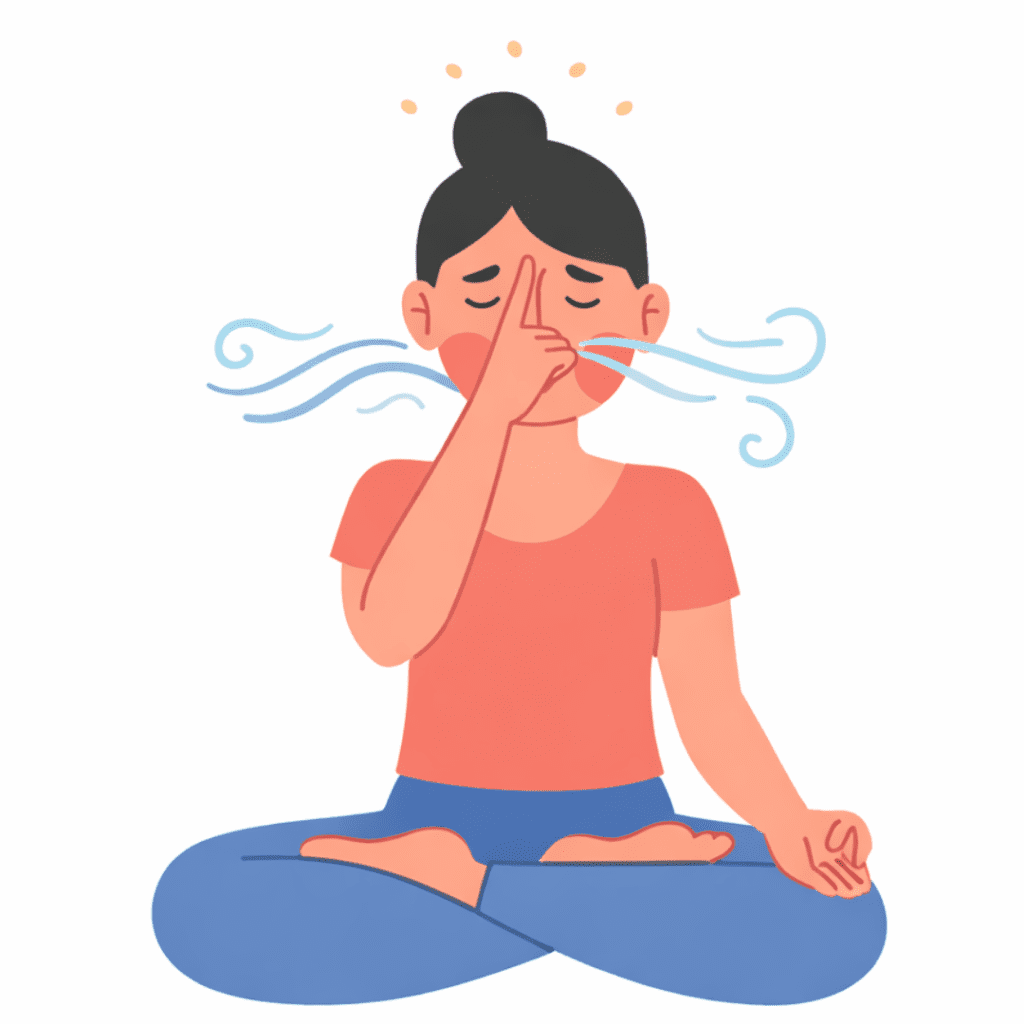
Sit upright and use your thumb to close your right nostril.
Inhale slowly through the left nostril.
Close the left nostril with your finger and exhale through the right.
Continue alternating sides. This practice promotes mental clarity and emotional stability. It balances oxygen flow between both sides of the brain, helping reduce stress and restore focus. Regular practice can improve concentration and create a deep sense of inner calm.
6. Pursed-Lip Breathing
Pursed-lip breathing helps control shortness of breath and reduces panic sensations.
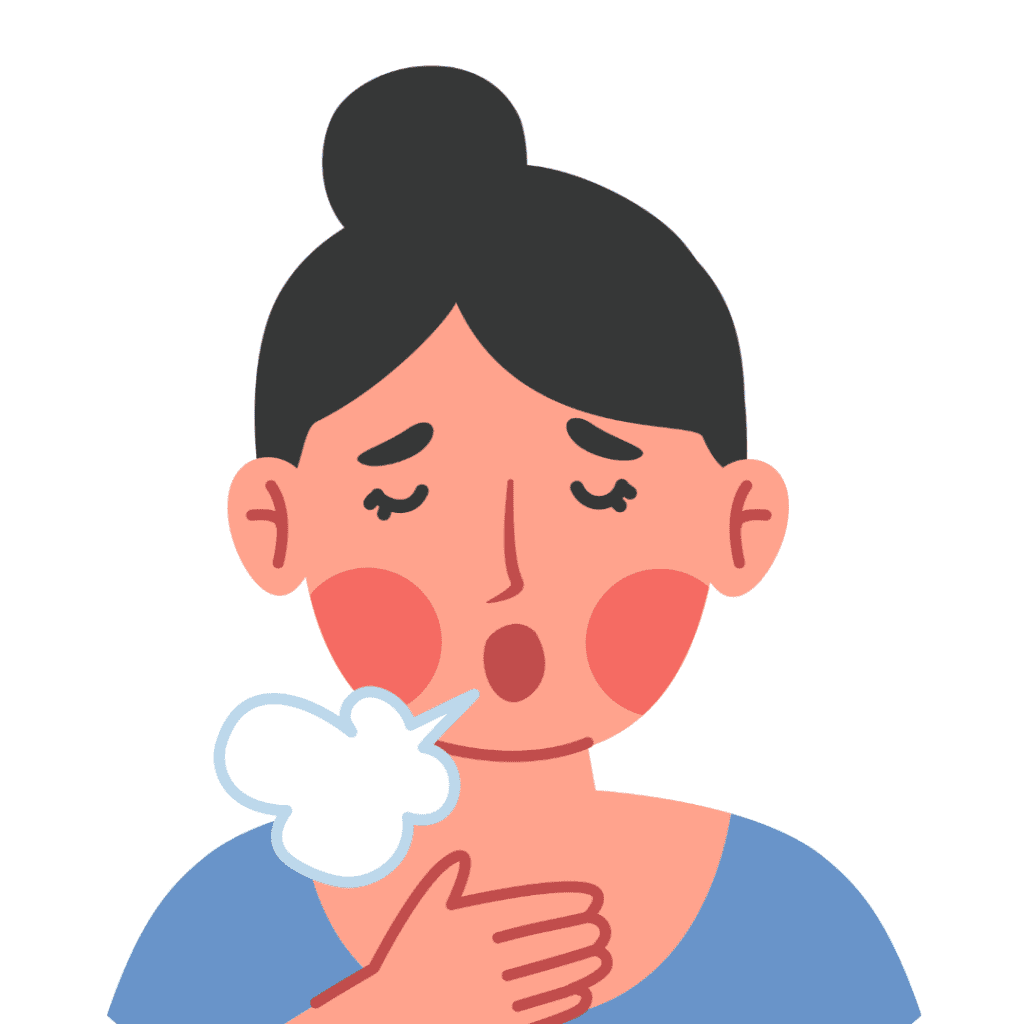
Inhale slowly through your nose for two counts.
Purse your lips as if blowing out a candle, then exhale slowly for four counts.
The extended exhale prevents hyperventilation and keeps airways open longer. This technique encourages slow, controlled breathing and reduces feelings of breathlessness. It is especially useful during sudden anxiety spikes, helping you regain control and calm your body quickly and effectively.
Check Out: What Types of Retreats Are Best for Stress Relief?
Long-Term Effects of Regular Breathing Practice
While individual techniques can reduce anxiety symptoms in the moment, consistent daily practice produces broader physiological changes that improve stress regulation over time.
- Improves Autonomic Nervous System Regulation: Regular slow breathing strengthens communication between the brain and the heart through the vagus nerve. This improves autonomic balance, allowing the body to shift more efficiently from stress activation to relaxation.
- Increases Heart Rate Variability (HRV): Controlled breathing at a steady rhythm improves heart rate variability, which is a measurable indicator of stress resilience. Higher HRV is associated with better emotional regulation and reduced anxiety reactivity.
- Reduces Chronic Hyperventilation Patterns: Many individuals with anxiety develop habitual shallow chest breathing. Structured breath training corrects this pattern by promoting diaphragmatic engagement and improving respiratory efficiency.
- Lowers Baseline Stress Response: Over time, regular breathwork reduces overall nervous system sensitivity. This can decrease the frequency and intensity of anxiety episodes rather than only managing symptoms during acute stress.
Related Articles:
Sound Bath vs. Traditional Meditation: Which One Is Right for You?
How Do Ashtanga and Vinyasa Yoga Improve Flexibility?
How Yoga Retreats Help with Emotional & Spiritual Healing
When to Use Each Breathing Exercise?
| Breathing Technique | Most Appropriate Situation |
| Diaphragmatic Breathing | Daily anxiety management and correction of shallow chest breathing patterns |
| Box Breathing | Acute stress, high-pressure situations, or when immediate focus is required |
| 4-7-8 Breathing | Before sleep or during nighttime anxiety |
| Alternate Nostril Breathing | Mental fatigue, emotional imbalance, or difficulty concentrating |
| Resonant Breathing | Long-term nervous system regulation and stress resilience training |
| Pursed-Lip Breathing | Panic symptoms, shortness of breath, or hyperventilation episodes |
FAQs
Q1: How often should I practice breathing exercises for anxiety?
For best results, practice breathing exercises daily for at least five minutes. Consistency strengthens your nervous system over time. You can also use them anytime anxiety appears to calm your body quickly and regain emotional balance.
Q2: Can breathing exercises stop a panic attack?
Breathing exercises can significantly reduce the intensity of a panic attack by slowing rapid breathing and stabilizing heart rate. While they may not stop it instantly, they help you regain control and shorten the duration.
Q3: How long does it take to see results from breathwork?
Many people feel calmer after just one session. However, noticeable long-term improvements in stress response and emotional control typically develop after practicing consistently for several weeks without skipping daily sessions.
Q4: Are breathing exercises safe for everyone?
Breathing exercises are generally safe for most people. If you have respiratory conditions, severe anxiety disorders, or medical concerns, consult a healthcare professional before starting advanced techniques to ensure safe and comfortable practice.