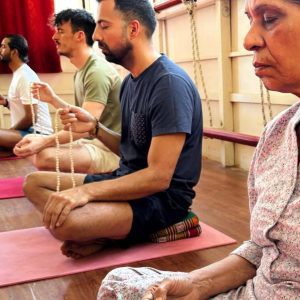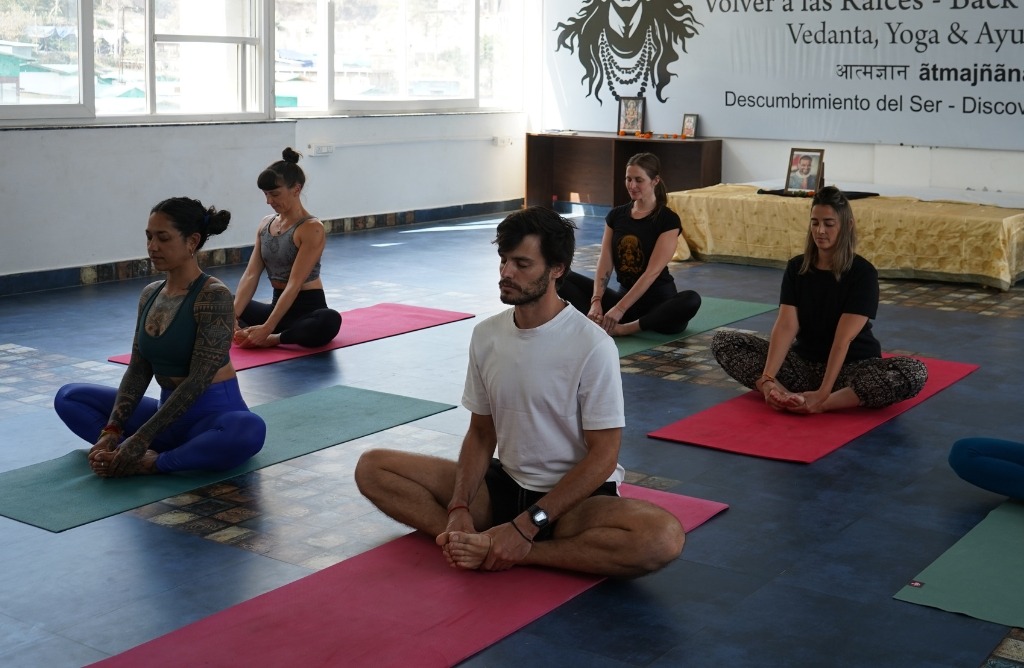
Yoga is not just a physical exercise; it’s a lifelong practice that supports the body, mind, and spirit. One of the most common questions beginners ask is: “What is the best age to start yoga?” The simple answer is: there is no perfect age to begin yoga. Whether you are a child, teenager, adult, or senior, yoga can be adapted to suit every stage of life.
Starting yoga at any age offers unique benefits. From building flexibility and discipline in children to reducing stress and improving health in adults and seniors, yoga supports overall well-being throughout life. Let’s explore how yoga benefits different age groups and why it’s never too early, or too late, to begin your yoga journey.
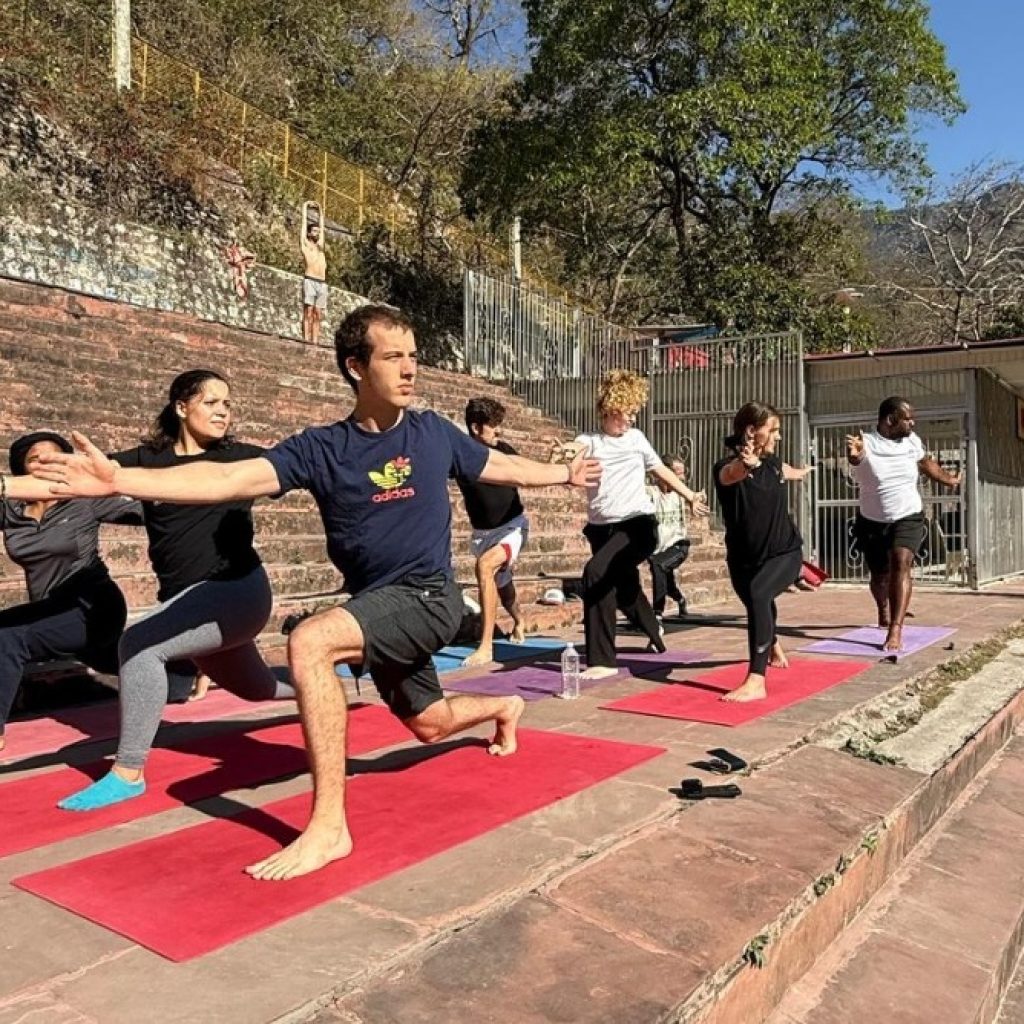
Why There Is No “Perfect” Age to Start Yoga?
Yoga is unique because it adapts to the individual rather than requiring the individual to adapt to it. Unlike high-impact workouts, yoga can be modified for beginners, seniors, and people with health conditions.
Here’s why any age is the best age to start yoga:
- Yoga is gentle and adaptable
- It supports both physical and mental health
- It can be practiced at your own pace
- It offers lifelong benefits
- It improves the overall quality of life
The key is consistency, not age. Practicing even 15–20 minutes daily can bring noticeable improvements in flexibility, mood, and energy.
What Are the Benefits of Starting Yoga at Every Age?
Starting yoga at any age supports flexibility, strength, focus, and emotional balance. From kids to seniors, it enhances health, reduces stress, and fosters mindfulness, making wellness achievable throughout life.
1. Yoga for Children (Ages 5–12)
Childhood is an excellent time to introduce yoga. At this age, children are naturally flexible and curious, making it easier for them to learn yoga postures and breathing techniques.
Yoga helps children:
- Improve focus and concentration
- Build flexibility and balance
- Develop healthy posture
- Manage emotions and stress
- Boost confidence and creativity
In today’s digital world, children spend a lot of time on screens, which can affect their physical and mental health. Yoga provides a healthy break from gadgets and encourages mindfulness. Simple poses like Tree Pose, Cat-Cow, and Butterfly Pose help children stay active while having fun.
Yoga also teaches discipline and patience, valuable skills that help children in school and daily life. Starting yoga early can build a strong foundation for a healthy lifestyle.
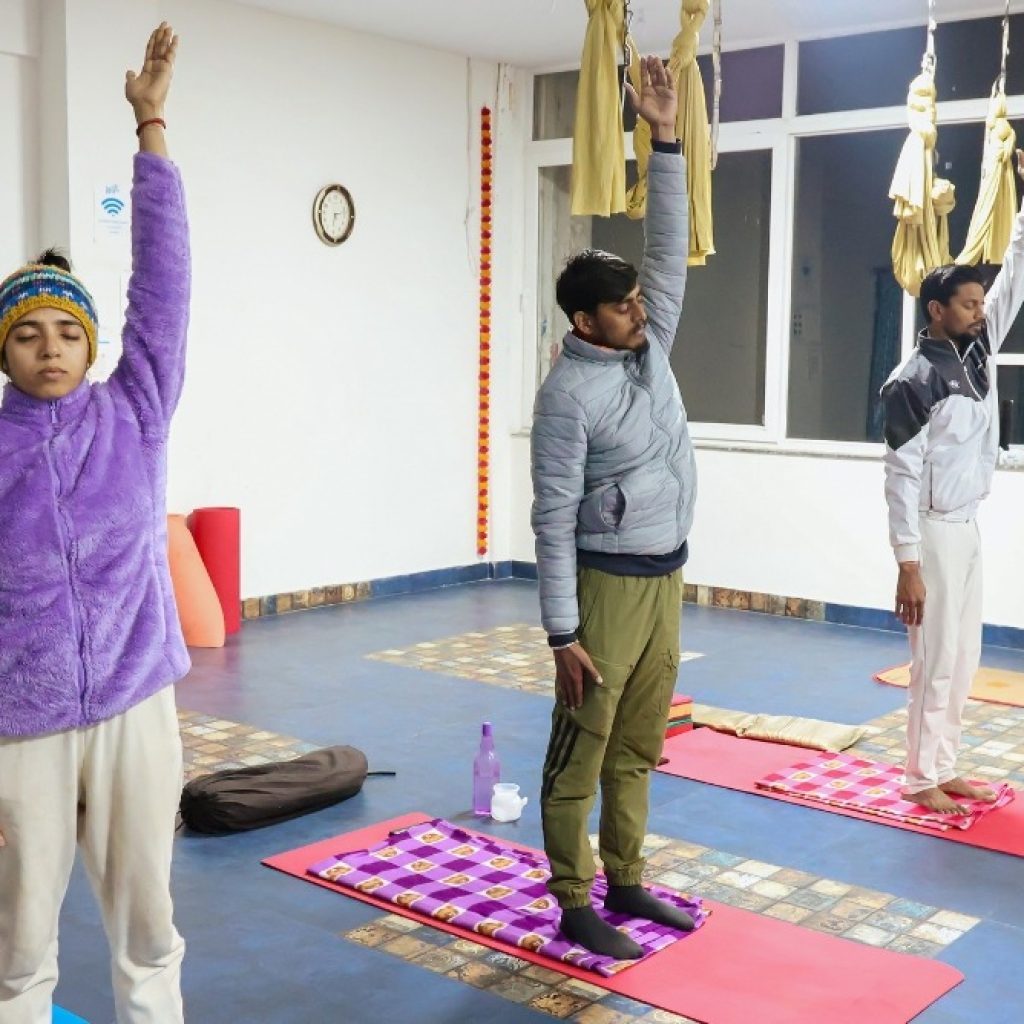
Note: Wondering where to go for a yoga retreat in 2026? Choose Rishikesh and experience holistic wellness, expert guidance, and rejuvenating retreats with Saptkaya Yoga School.
2. Yoga for Teenagers (Ages 13–19)
Teenage years come with physical changes, academic pressure, and emotional challenges. Yoga can be incredibly helpful during this phase.
Benefits of yoga for teenagers include:
- Stress and anxiety relief
- Improved concentration and memory
- Better posture and flexibility
- Emotional balance
- Increased self-confidence
Teenagers often experience stress from studies, social pressure, and future planning. Yoga helps calm the mind and improve mental clarity. Breathing exercises (pranayama) and meditation can reduce anxiety and help teenagers stay focused.
Yoga also supports physical development by strengthening muscles and improving body awareness. Regular practice can help teenagers maintain a healthy lifestyle and build positive habits that last into adulthood.
3. Yoga for Adults (Ages 20–40)
For many people, adulthood is when they first consider starting yoga. Busy work schedules, family responsibilities, and daily stress can take a toll on physical and mental health.
Starting yoga in your 20s, 30s, or 40s offers numerous benefits:
- Reduces stress and anxiety
- Improves flexibility and strength
- Enhances focus and productivity
- Supports weight management
- Promotes better sleep
At this stage of life, yoga acts as a powerful stress reliever. Practices like Hatha Yoga, Vinyasa Yoga, and meditation help balance the nervous system and improve overall well-being.
Many adults experience back pain, neck stiffness, or fatigue due to long working hours. Yoga stretches and strengthens the body, improving posture and reducing pain. It also helps create a healthy work-life balance by encouraging mindfulness and relaxation. Starting yoga in adulthood can transform your lifestyle and prevent future health problems.
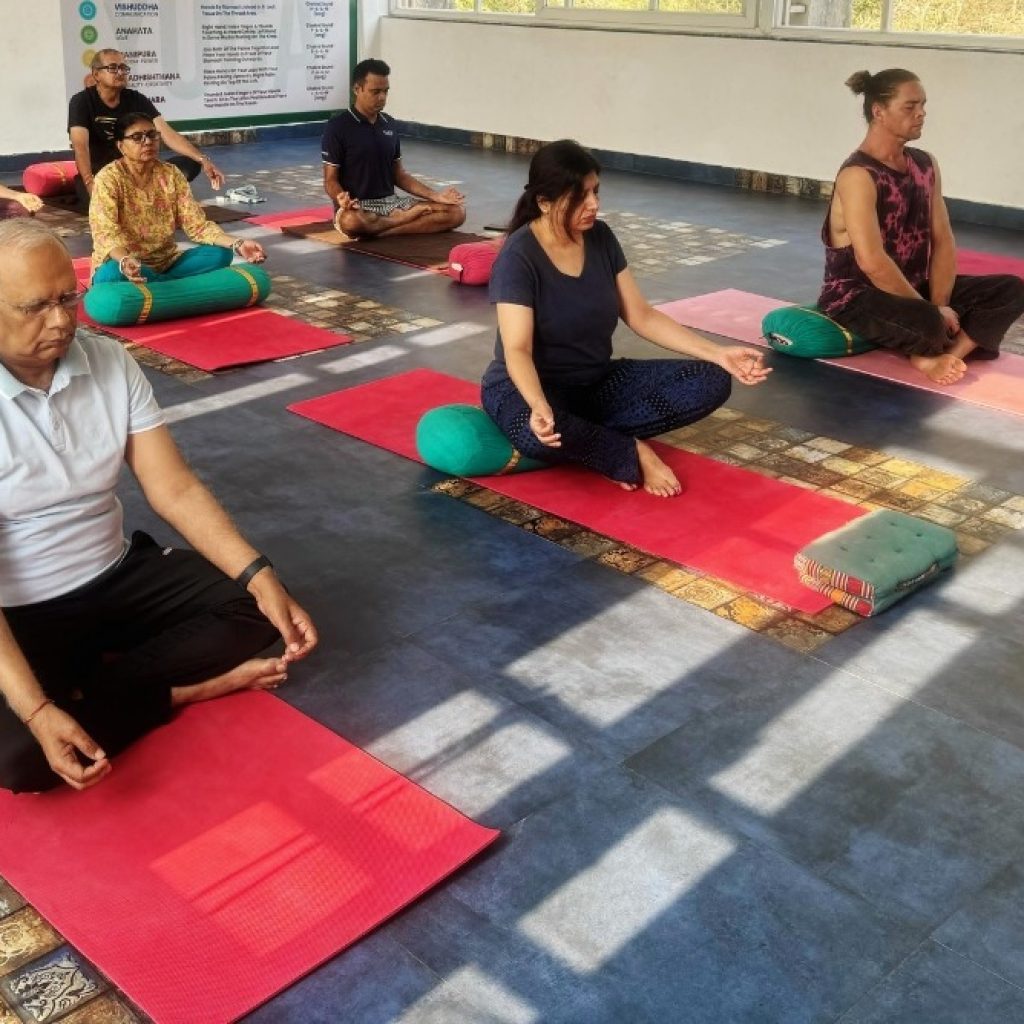
Note: If you are 18 or older and ready to begin your yoga journey, Saptkaya Yoga School offers expert guidance, supportive teachers and transformative retreats in Rishikesh.
4. Yoga for Middle Age (Ages 40–60)
Middle age is often associated with lifestyle-related health issues such as weight gain, joint pain, high blood pressure, and stress. Yoga can play a vital role in maintaining health during this stage.
Benefits of starting yoga in middle age:
- Improves joint mobility and flexibility
- Supports heart health
- Reduces stress and tension
- Helps manage weight
- Enhances mental clarity
Many people in their 40s and 50s believe they are too late to start yoga, but this is a myth. Yoga can be modified to suit any fitness level. Gentle yoga styles, stretching, and breathing exercises are particularly beneficial.
Regular practice can reduce the risk of chronic diseases and improve overall energy levels. Yoga also promotes emotional balance and helps individuals handle life transitions more gracefully.
5. Yoga for Seniors (60+)
Yoga is highly beneficial for seniors and can greatly improve the quality of life. Even if someone has never practiced yoga before, they can start at any age with gentle movements and guided instruction.
Benefits of yoga for seniors:
- Improves balance and flexibility
- Strengthens muscles and joints
- Reduces risk of falls
- Enhances breathing and relaxation
- Promotes mental peace
Chair yoga and gentle stretching are ideal for older adults. These practices improve mobility and reduce stiffness. Breathing exercises and meditation help seniors stay calm and mentally active.
Yoga also creates a sense of community and connection, which is important for emotional well-being in later years. Starting yoga in your 60s or even 70s can still bring significant physical and mental benefits.
Related Articles:
8 Reasons You Should Join a Silent Yoga Retreat
What are the best destinations for a yoga retreat in 2026?
Reasons to Choose Sound Healing Retreat
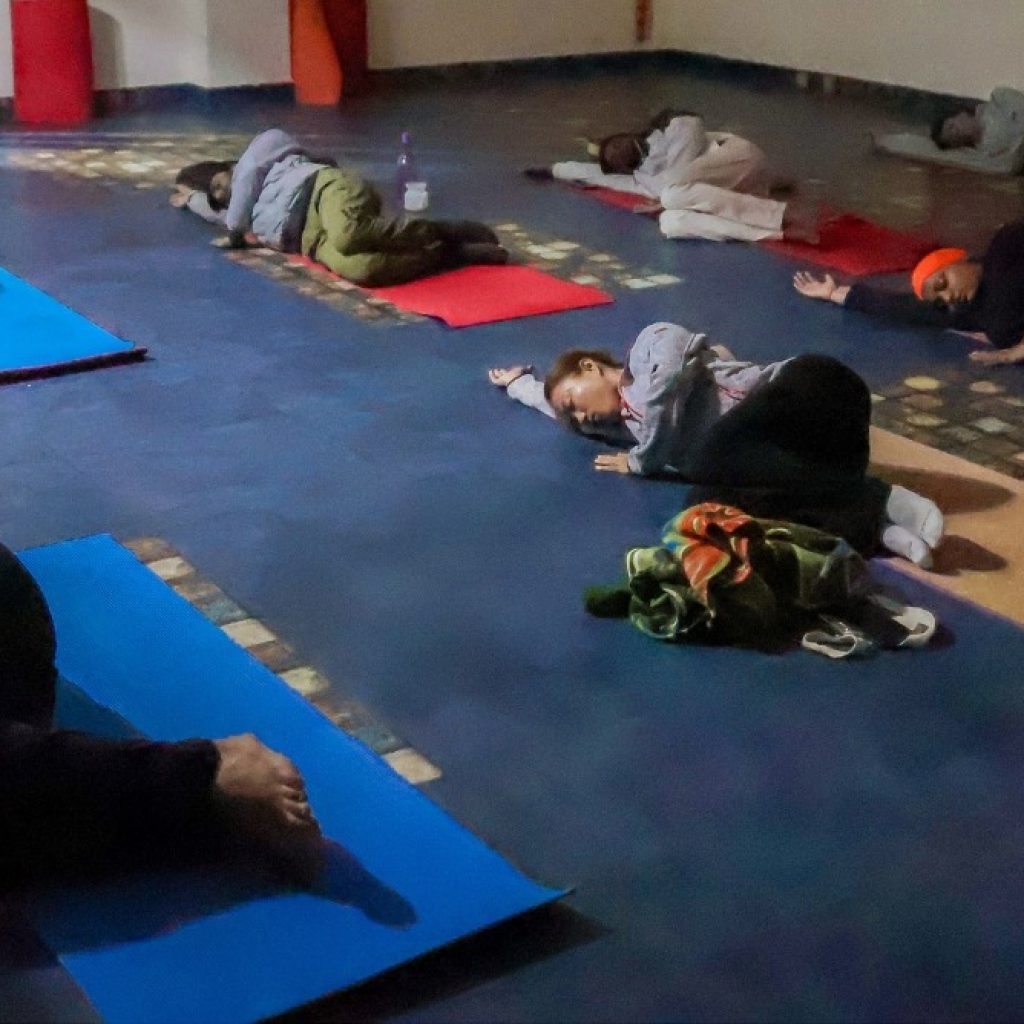
Curious how yoga can change your life?
Experience the journey of wellness with Saptkaya Yoga School in Rishikesh. Our retreats combine expert-led yoga with unique experiences tailored to enrich your mind, body, and spirit.
Choose our Yoga and Sightseeing Retreat, where daily yoga sessions are paired with exploration of Rishikesh’s iconic spiritual and natural landmarks for a holistic journey of wellness and adventure.
Try our Panchakarma & Ayurveda Retreat to detoxify, rejuvenate, and restore balance with traditional therapies and guided yoga. Or immerse yourself in our Yoga & Sound Healing Retreat, harmonizing your mind, body, and energy through sound vibrations and meditation for a deeper yoga practice.
So, at what age is it best to start a yoga journey? The best age is now. Whether you are 8 or 80, yoga welcomes everyone. It adapts to your body, supports your mind, and helps you live a healthier and more mindful life.
Starting yoga early can build strong habits, while starting later can bring healing and balance. The important thing is to take the first step. Roll out your mat, breathe deeply, and begin your yoga journey today.