Today, many people are looking for natural ways to stay healthy, recover from injuries, and feel their best. Two popular approaches are yoga therapy and physical therapy.
Both aim to reduce pain, improve movement, and boost overall wellness, but they work in very different ways. Yoga therapy combines gentle stretches, breathing exercises, and relaxation techniques to support both the body and mind.
Physical therapy focuses on targeted exercises, hands-on treatments, and rehabilitation to restore strength and function after an injury or surgery.
Understanding the differences between them can help you choose the right path, whether you want a holistic approach for long-term wellness or a structured program for faster recovery.
What Is Yoga Therapy?
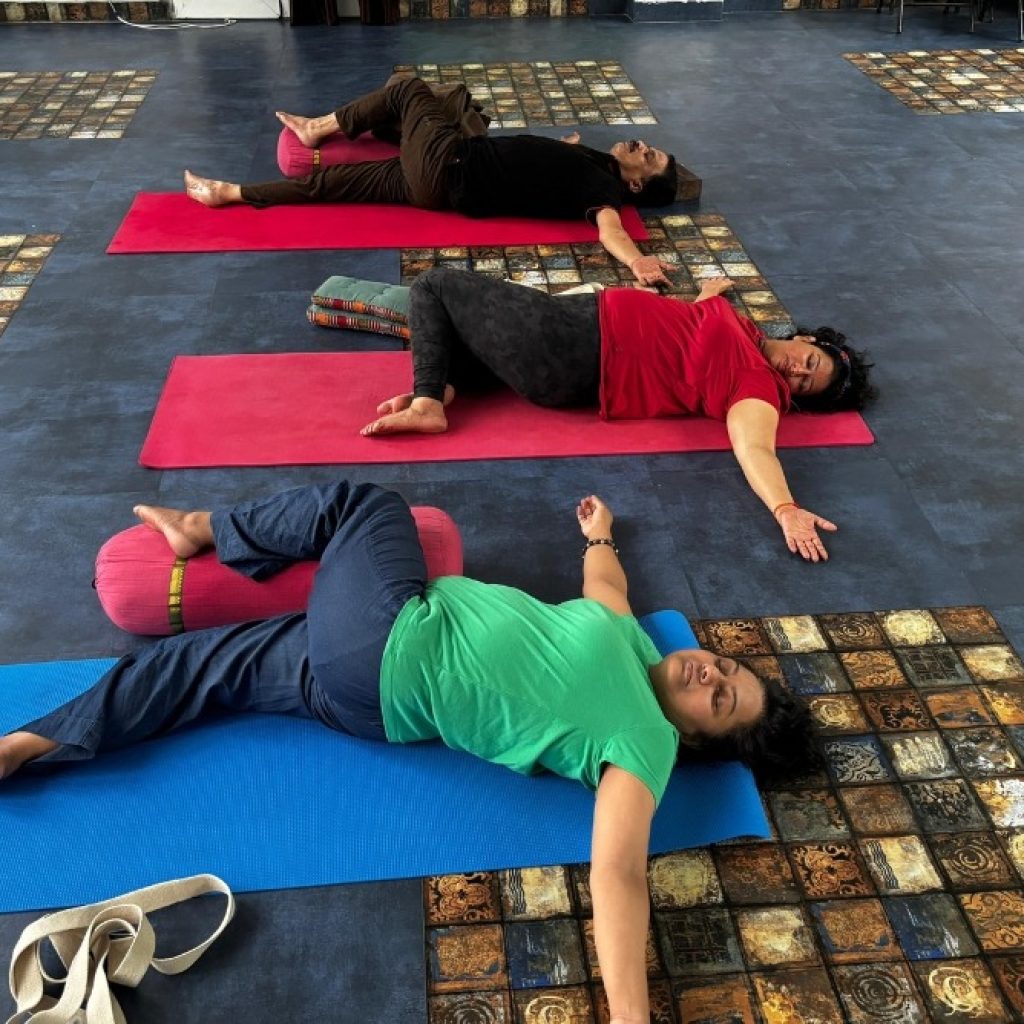
Yoga therapy is the application of yoga principles and practices to address specific physical, emotional, and mental health conditions. Unlike a regular yoga class that focuses on general fitness, yoga therapy is highly personalized.
A certified yoga therapist assesses your individual needs, medical history, and lifestyle before designing a program that may include:
- Asanas (postures): Tailored movements to improve flexibility, balance, and strength.
- Pranayama (breathing exercises): Techniques to regulate energy, reduce stress, and enhance lung function.
- Meditation and mindfulness: Practices to calm the mind and manage chronic pain or anxiety.
- Lifestyle guidance: Recommendations on diet, sleep, and daily routines for holistic wellness.
Yoga therapy is often used to complement medical treatment for conditions like arthritis, back pain, stress, anxiety, depression, asthma, and even cardiac rehabilitation. The goal is not just symptom relief but improving overall well-being and fostering self-healing.
What Is Physical Therapy?
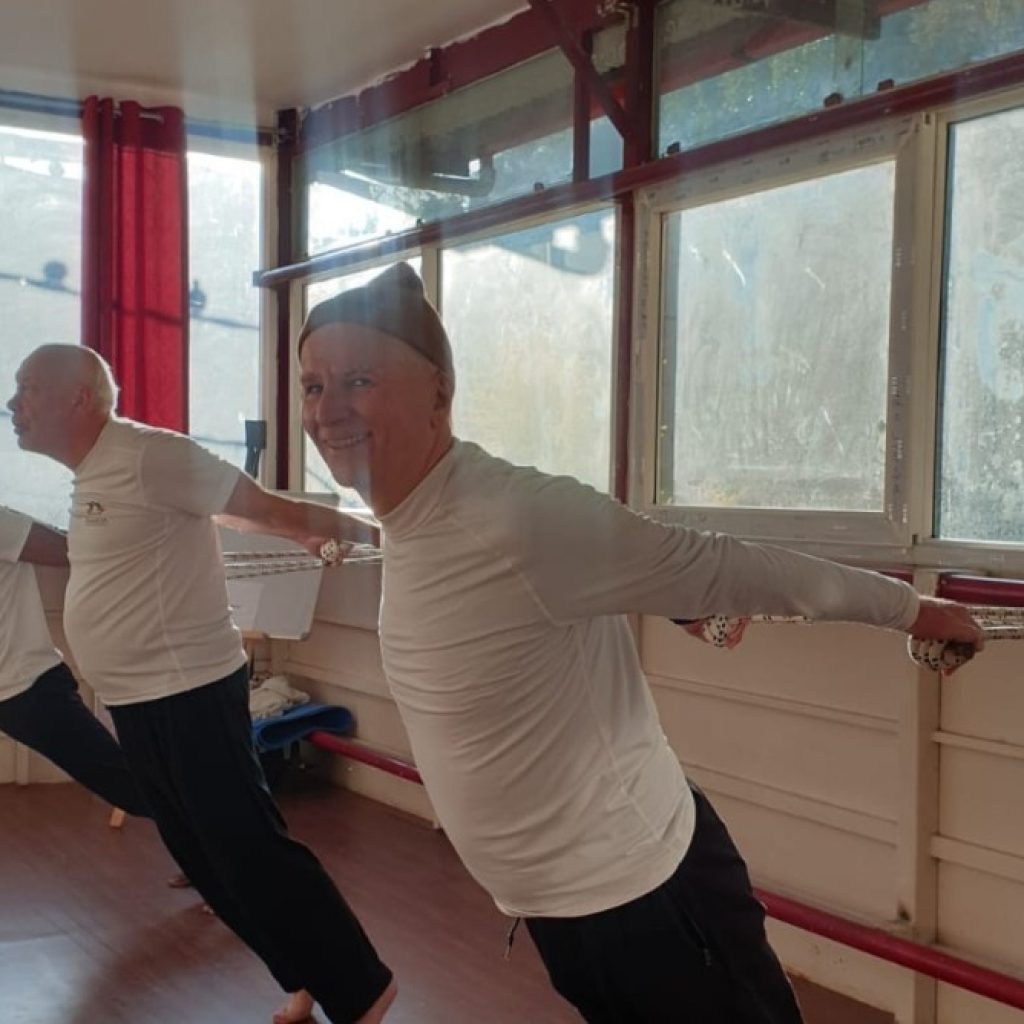
Physical therapy (also known as physiotherapy) is a clinically-based approach aimed at restoring movement and function following injury, surgery, or chronic conditions.
A licensed physical therapist develops a treatment plan based on a detailed evaluation of your physical abilities, posture, muscle strength, and joint mobility. Techniques used in physical therapy include:
- Manual therapy: Hands-on manipulation to relieve pain and restore mobility.
- Therapeutic exercises: Targeted exercises to strengthen muscles, improve flexibility, and enhance endurance.
- Modalities: Use of tools like ultrasound, electrical stimulation, heat, or cold therapy for pain relief.
- Education: Guidance on body mechanics, posture, ergonomics, and injury prevention.
Physical therapy is commonly prescribed for conditions such as post-surgery recovery, sports injuries, chronic pain, stroke rehabilitation, and musculoskeletal disorders. Its primary goal is functional recovery and regaining independence.
Note: Looking to detox your body and restore natural balance? An Ayurvedic Wellness Panchakarma Retreat helps cleanse toxins, rejuvenate your system, and promote deep healing through traditional therapies and holistic care.
Yoga Therapy vs Physical Therapy: A Clear Comparison
Differences help you choose the right approach to pain relief, recovery, and long-term health improvement.
| Feature | Yoga Therapy | Physical Therapy |
| Focus | Holistic healing of body, mind, and emotions to improve overall well-being | Restoring physical function, mobility, and strength after injuries or surgeries |
| Approach | Gentle, mindful, and highly personalized practice tailored to individual needs | Clinically structured exercises, manual treatments, and evidence-based rehabilitation plans |
| Techniques | Combination of yoga poses, breathing exercises, meditation, and lifestyle guidance | Therapeutic exercises, hands-on manual therapy, modalities, and patient education |
| Goals | Reduce stress, enhance flexibility, promote mental clarity, and support self-healing | Restore strength, improve mobility, and help patients regain independence efficiently |
| Duration | Long-term, ongoing practice integrated into daily life for lasting benefits | Typically short-term or goal-oriented programs based on recovery timelines |
| Conditions Treated | Stress, anxiety, chronic pain, arthritis, depression, and lifestyle-related health issues | Injuries, post-surgery recovery, musculoskeletal problems, stroke, and other functional limitations |
| Mind-Body Connection | Strong emphasis on awareness, mindfulness, and mental-emotional balance | Focuses mainly on physical recovery, though some modern PT programs include mindfulness techniques |
| Accessibility | Can be practiced at home, in therapy sessions, or in yoga studios | Usually requires supervision from a licensed therapist and clinic visits for specialized care |
| Recovery Speed | Gradual, steady improvements with long-term lifestyle integration | Faster recovery for injuries, surgery, or mobility impairments under professional guidance |
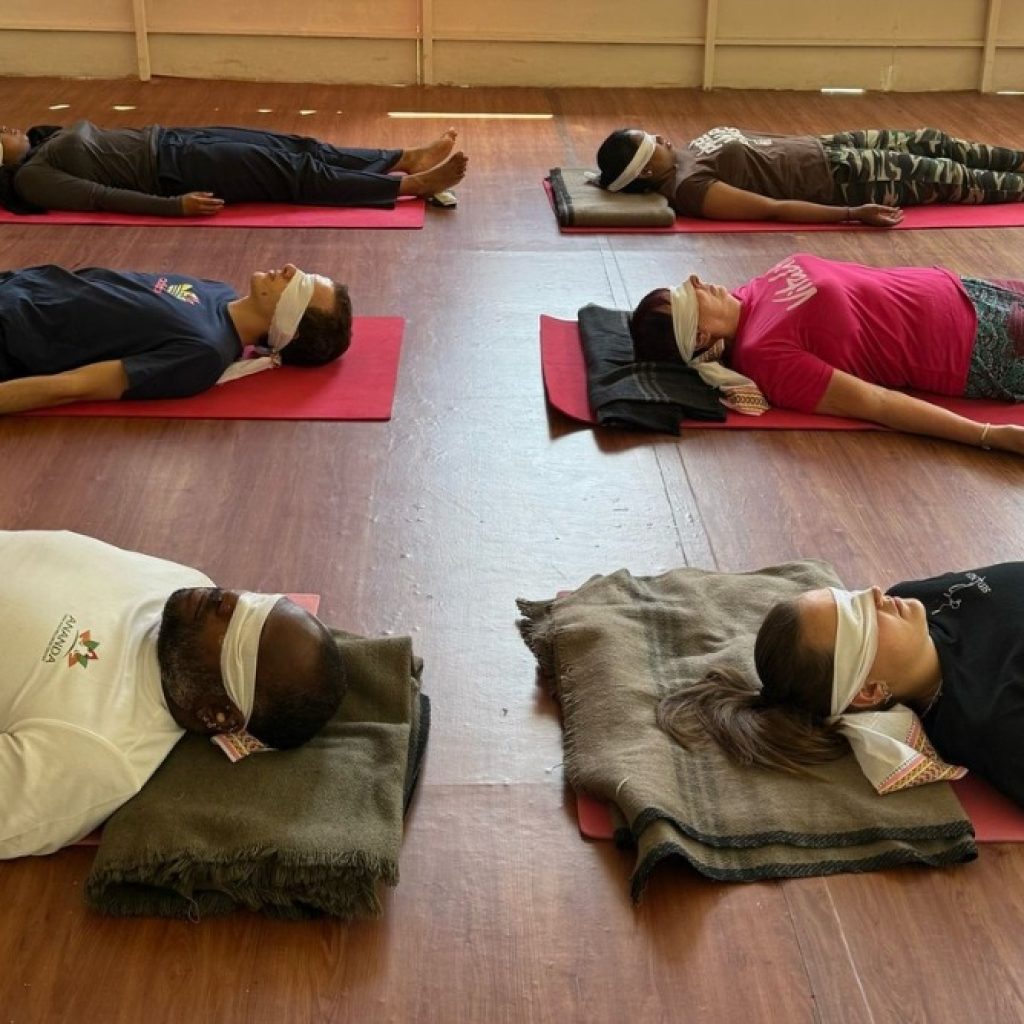
Related Articles:
Which Age Is Best for Starting a Yoga Journey?
8 Reasons You Should Join a Silent Yoga Retreat
What are the best destinations for a yoga retreat in 2026?
Which Therapy Is Right for You?
Ultimately, the choice between yoga therapy and physical therapy depends on your needs, goals, and health condition.
- If your priority is rehabilitation, injury recovery, or functional improvement, physical therapy may be the best choice.
- If you seek stress relief, holistic wellness, and long-term preventive care, yoga therapy can offer tremendous benefits.
- For optimal results, consider a combined approach, using physical therapy for recovery and yoga therapy for maintenance and overall well-being.
Both yoga therapy and physical therapy empower you to take control of your health. By understanding their differences and benefits, you can create a personalized plan that not only helps you recover but also enhances your quality of life.
Investing in your health is never a compromise, whether through the clinical precision of physical therapy or the mindful healing of yoga therapy, the journey to wellness is yours to choose.
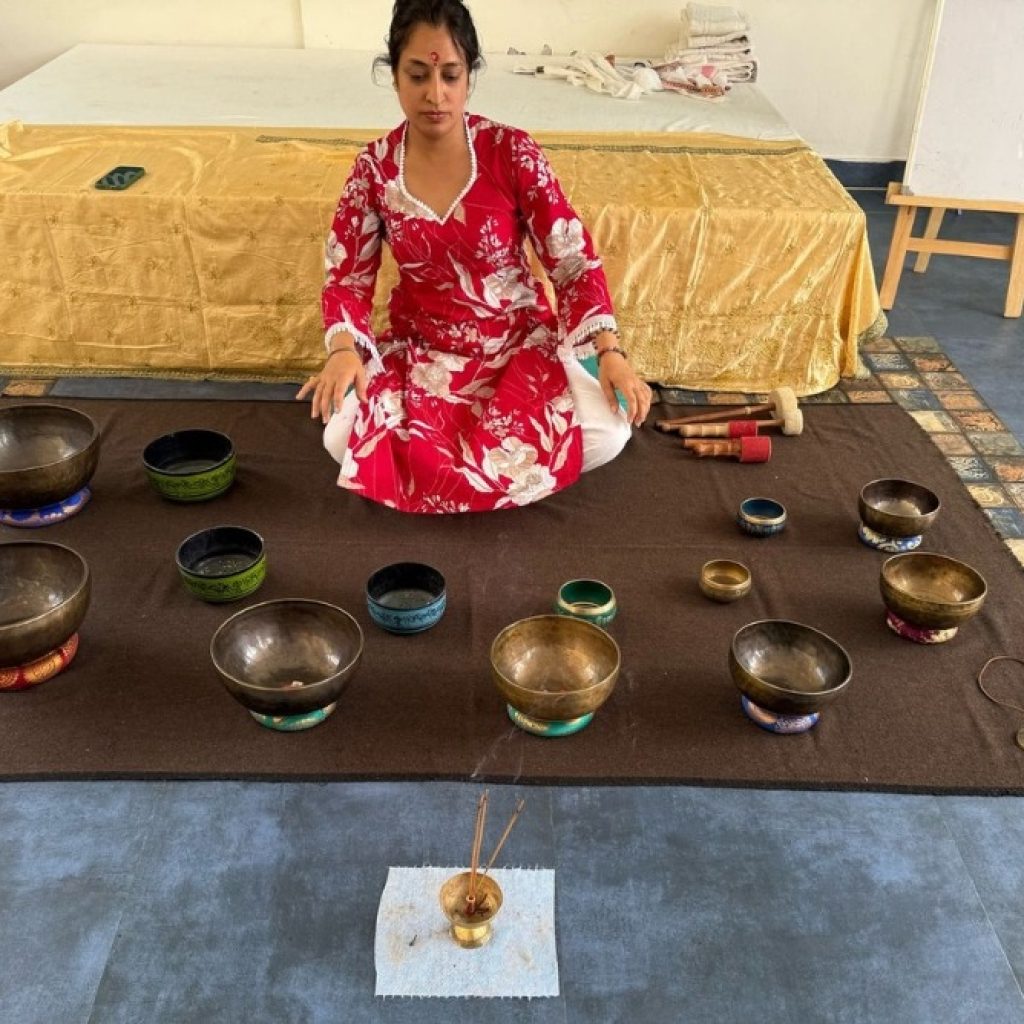
Say Yes to Natural Healing & Join Us Today!
True healing begins when you give your body and mind the time to slow down and reset. At Saptkaya Yoga School, we offer dedicated yoga therapy programs designed to help you release stress, improve flexibility, and restore inner balance naturally.
Set in the peaceful surroundings of Rishikesh, our sessions combine guided movement, breathwork, and mindfulness to support deep physical and emotional healing. Each program is thoughtfully designed to help you feel lighter, calmer, and more connected from within.
Whether you want to manage stress, ease discomfort, or simply feel better in your daily life, this is your moment to begin.
📍 Limited spots available – book your Yoga Therapy session today.
FAQs
Q1. Is yoga therapy suitable for beginners with no yoga experience?
Yes, yoga therapy is ideal for beginners because it focuses on simple, guided practices tailored to your comfort level. Sessions are gentle and personalized, making it easy to start without any prior yoga knowledge or physical fitness background.
Q2. How long does it take to see results from yoga therapy?
Results vary depending on your condition and consistency. Some people notice relaxation and reduced stress within a few sessions, while physical improvements like flexibility and pain relief may take a few weeks of regular practice.
Q3. What conditions can yoga therapy help manage?
Yoga therapy can support a wide range of conditions, including stress, anxiety, back pain, joint stiffness, breathing issues, and lifestyle-related disorders. It works by improving body awareness, relaxation, and natural healing processes over time.
Q4. How is yoga therapy different from regular yoga classes?
Unlike general yoga classes, yoga therapy focuses on individual health concerns. It involves personalized sessions designed to address specific issues, rather than following a standard routine for group fitness or general flexibility.